
1 min read
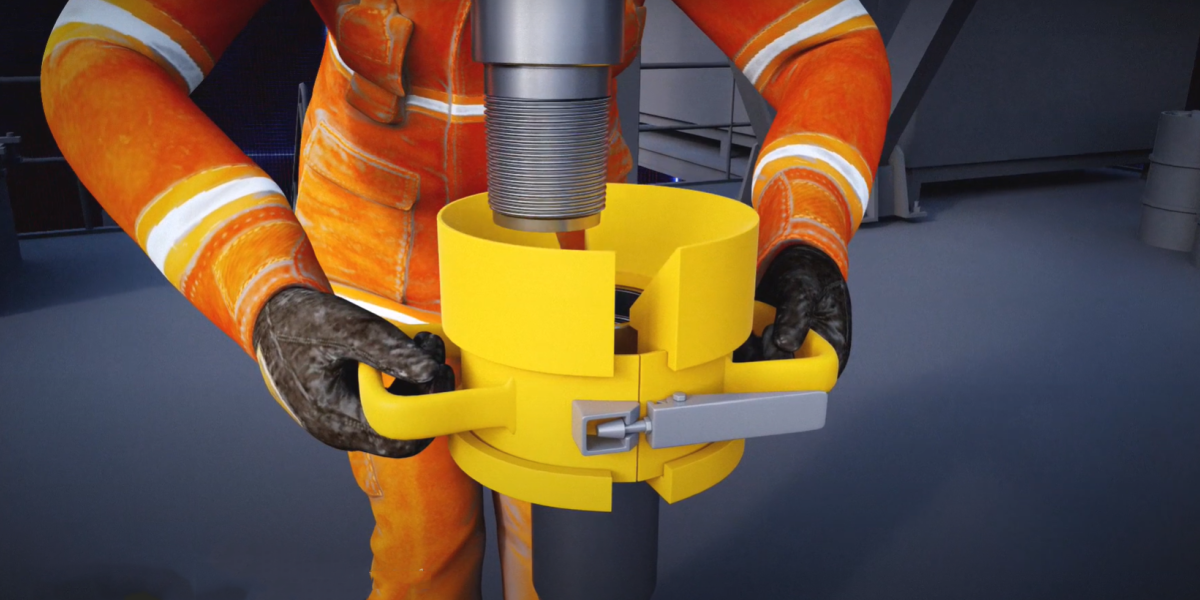
What are stabbing guides used for?
Using the right stabbing guide is the only way to fully prevent pipe and thread damage and minimize potential connection failure. A good stabbing...
5 min read
|
Field Service Supervisors are critical in oilfield drilling operations because they prevent rig downtime, verify torque and thread integrity, ensure installations meet manufacturer acceptance criteria, and coordinate safe tubular running procedures at the rig site. Their oversight protects tubular performance, reduces operational risk, and keeps drilling projects compliant, efficient, and on schedule. |
No matter the size of your company, field service supervisors are an important part of its success. This position is responsible for ensuring that all work is completed in a timely and efficient manner, and that customer satisfaction is always maintained.
A Field Service Supervisor in oilfield drilling is a tubular specialist responsible for ensuring pipe and accessories are inspected, prepared, and run according to manufacturer specifications and industry standards.
Their role focuses on connection integrity, torque verification, tubular handling, and operational coordination between the operator, drilling contractor and tubular running company.
At Superior Performance, Field Service Supervisors support both onshore and offshore drilling operations by overseeing tubular preparation, verifying equipment readiness, and ensuring running procedures are followed to prevent connection damage, operational delays, or safety risks.
In many operations, the Field Service Supervisor acts as the technical authority on tubular integrity and running procedures, ensuring every connection meets manufacturer acceptance criteria before pipe is run into the well.
Here are five key reasons operators rely on Field Service Supervisors during drilling operations:
1. Prevent Costly Rig Downtime
2. Verify Connections Meet Manufacturer Acceptance Criteria
3. Protect Tubular Assets During Handling and Transport
4. Coordinate Multiple Service Providers at the Rig Site
5. Ensure Safe and Compliant Running Operations
Rig downtime is one of the most expensive risks during drilling operations.
Field Service Supervisors help prevent delays by identifying issues before pipe is run in the well. Their experience with tubular connections, handling equipment, and running procedures allows them to quickly detect problems that could lead to operational interruptions.
By verifying equipment capability, confirming connection condition, and aligning crews on proper procedures, Field Service Supervisors help maintain efficient operations and minimize downtime.
Mud pump failures are another leading cause of unplanned rig downtime, and when one goes down, the rebuild vs. replace decision has real schedule and cost implications. For a breakdown of common mud pump failures and how to make that call, read: Mud pump repair: when to rebuild and when to replace.
Tubular connections must be assembled and verified according to the OEM's specifications and torque acceptance criteria.
Field Service Supervisors monitor connection makeup to ensure:
Correct torque values are applied
Torque-turn graphs fall within manufacturer acceptance limits
Proper thread compounds are used
Connections are prepared according to running procedures
This verification ensures connections maintain seal integrity, structural strength, and long-term performance once run in the well.
Casing, and casing accessories must be properly handled and protected to avoid damage before arriving at the rig.
Field Service Supervisors oversee tubular preparation in pipe yards and facilities to ensure:
Thread protectors are installed and secured
Pipe is properly bundled and loaded out efficiently
Handling procedures prevent connection damage
Tubulars are protected during transport to the rig site
Protecting these assets helps avoid costly repairs or rejected pipe during drilling operations.
Modern drilling operations often involve multiple service providers working together at the rig site, including tubular running companies, OEM representatives, drilling contractors, and downhole tool service supervisors. Each group plays a critical role in the operation, but without proper coordination, miscommunication or procedural differences can create delays or operational risk.
A Field Service Supervisor serves as the central coordination point between these groups, ensuring all parties are aligned on running procedures, torque requirements, and operational expectations. By maintaining clear communication and oversight, the supervisor helps ensure that everyone involved follows the same manufacturer guidelines and operational plan. This coordination reduces confusion between service providers and helps keep running operations safe, efficient, and on schedule.
Before tubulars are run into the well, Field Service Supervisors verify that all equipment, pipe specifications, and running procedures meet operational and safety requirements. This includes confirming that the pipe size, weight, grade, and thread type match the planned well design and that the running order of pipe and accessories is correct.
They also ensure that all handling equipment, including elevators, slips, stabbing guides, and crossovers, are properly sized and rated for the tubulars being run. In addition, the supervisor confirms that the power tongs have sufficient capacity to exceed the required makeup torque and that torque gauges and monitoring systems are properly calibrated.
Prior to beginning operations, the Field Service Supervisor conducts a pre-job alignment meeting with the rig crew, tong company, and operator representatives. During this meeting, the running procedures, torque specifications, and manufacturer guidelines are reviewed so that all personnel involved clearly understand the plan and are aligned before running operations begin.
Small errors in handling, installation, or torque verification can quickly lead to operational issues, equipment damage, and costly rig downtime.
Without proper tubular supervision, drilling operations face increased risks including:
Connection failures
Improper torque application
Thread damage during handling
Non-compliance with manufacturer procedures
Delays caused by equipment mismatch or inspection issues
Even small issues with connection preparation or torque verification can escalate into significant operational failures once pipe is run into the well.
Field Service Supervisors improve operational performance by ensuring that all equipment and procedures are properly aligned with the job requirements before operations begin. This includes confirming that the equipment being used is appropriate for the tubular size, weight, and connection type, and that torque equipment has the capability and calibration necessary to meet the required makeup specifications.
They also verify that all connections meet manufacturer acceptance criteria and that crews clearly understand and follow the proper running procedures. By reviewing these critical elements ahead of time, Field Service Supervisors help identify potential issues early, reduce operational risk, protect valuable equipment, and support efficient drilling operations.
At Superior Performance, our Field Service Supervisors bring decades of combined industry experience supporting drilling operations across onshore and offshore environments.
Our services are often integrated with additional capabilities such as:
Thread inspection services
Laser tally verification
Casing ID caliper services
Tubular management support
Power equipment solutions
This integrated approach allows operators to reduce vendor layering, improve coordination, and streamline operations at the rig site.
Field Service Supervisors play a critical role in protecting tubular assets, ensuring connection integrity, and maintaining efficient drilling operations.
Superior Performance provides experienced personnel and specialized services designed to support drilling contractors and operators throughout the entire tubular running process.
If you're looking for experienced tubular specialists to support your next drilling project, our team is ready to help.

At Superior Performance, our team provides drilling contractors and operators with a wide range of construction services to cover most work scopes associated with rig/drilling packages and upgrades, refurbishment, and repair.
We can provide either a turnkey solution or individual work scopes, including Field Service Supervisor assistance, thread inspection services, casing ID caliper services, Laser Tally services, and power equipment.
We also carry premium casing and tubular rental tools in a wide variety of sizes and connections, including elevators for casing and tubing, tubing/casing crossovers, full open safety valves, stabbing guides, casing swages and much more.
1 min read
Using the right stabbing guide is the only way to fully prevent pipe and thread damage and minimize potential connection failure. A good stabbing...
1 min read
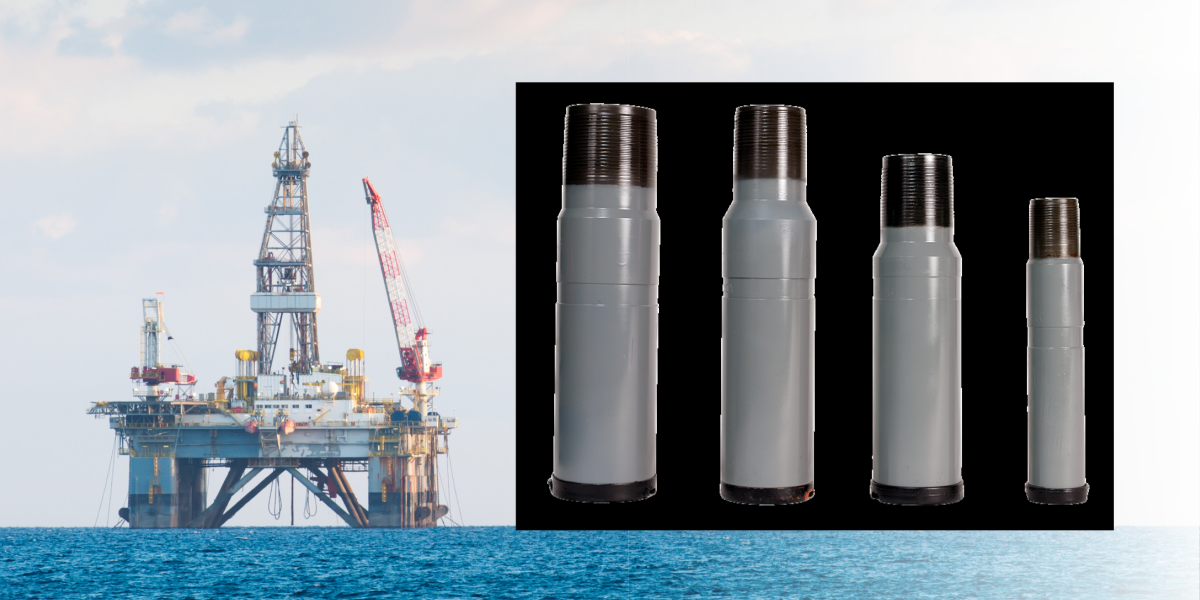
There are many types of subs that can be used for drilling, but one of the most important is the crossover sub. Let's take a look at the importance...
1 min read
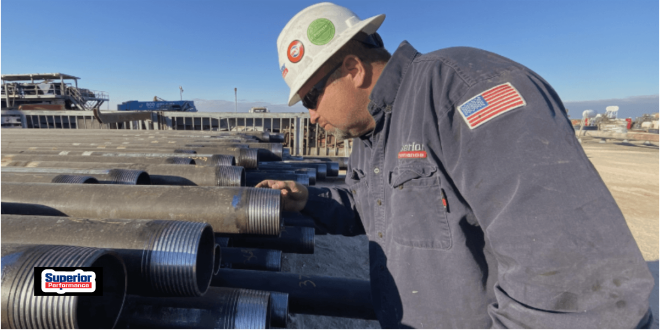
A Field Service Supervisor is a professional who oversees the work of field service technicians. They are responsible for ensuring that all work is...